Featured
The Main Principles Of Documents to Prepare When Pursuing...
The Ultimate Guide To Typical Misunderstandings About Ban...
Sector Trends in Bankruptcy Counseling and Debtor Protections - The Facts
Table of Contents
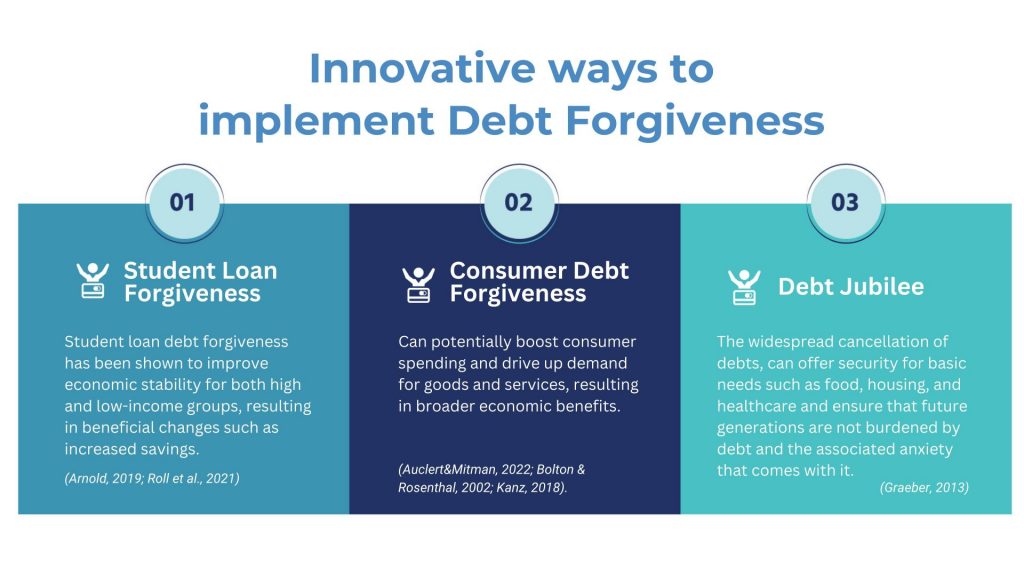
That liberates money in the brief term, and you may have three to 4 years to conserve towards the negotiation amount. Really hazardous to credit rating, mainly as a result of missed payments and a negative "worked out" mark that could remain on your credit report for as much as 7 yearsMay be only alternative if other alternatives (financial debt combination, balance transfer bank card, debt mercy) aren't possibleTypically calls for a fee to the 3rd party, which could balance out some or every one of the financial savings from financial obligation settlementMay help you prevent bankruptcy if you've missed out on numerous paymentsNot all lenders function with financial debt negotiation business Financial debt mercy might be right for you if you are experiencing an economic challenge that makes it almost impossible to pay for your financial debt equilibriums.

With a DMP, you make one regular monthly settlement to the credit history therapy firm. Those funds are after that dispersed to lenders of your unsecured debts, such as credit report cards and installment lendings. The agency collaborates with your lenders to reduce rate of interest or waive fees, however some financial institutions might reject such giving ins.
It can help you pay down debt if you're able to safeguard a lending rate that's lower than the average price of the accounts you're settling. You have to refrain from racking up debt on those newly gotten rid of accounts or your debt can grow even higher.
That provides you plenty of time to remove or considerably decrease your balance while making interest-free settlements.
Examine This Report about "Debt Forgiveness Is a Failure" and More Myths
You may need it if your lender or a collection company ever before attempts to gather on the financial obligation in the future. The letter could verify you don't owe what the debt collection agency's documents reveal. Yes, in many cases, the IRS thinks about forgiven financial obligation as taxable income. When a lender forgives $600 or more, they are called for to send you Form 1099-C.
Debt mercy or negotiation generally harms your credit report. Anytime you work out a financial debt for less than you owe, it might look like "resolved" on your credit score report and influence your credit history for 7 years from the day of negotiation. Your credit scores can likewise go down significantly in the months causing the forgiveness if you drop behind on settlements.
Restoring Personal Financial Standing the Strategic Way Can Be Fun For Anyone
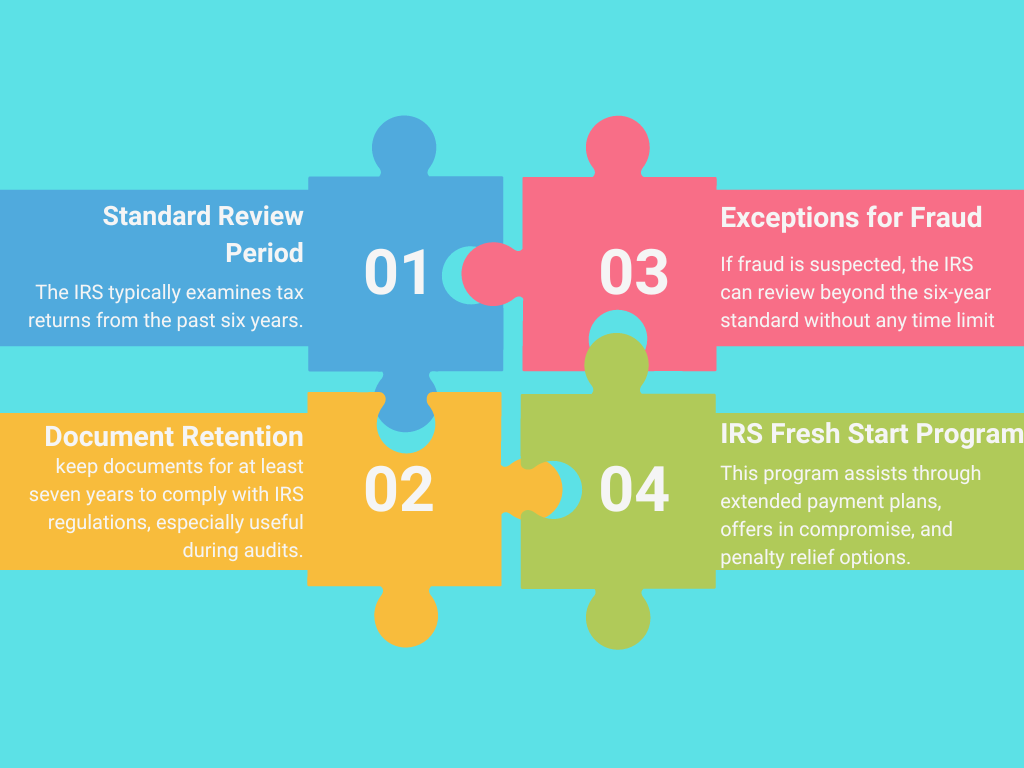
This situation often results from underreporting income, not filing returns on time, or discrepancies found throughout an IRS audit. The effects of gathering tax debt are serious and can include tax obligation liens, which offer the IRS a lawful claim to your building as security for the debt.
Greater interest prices on offered credit rating. Earnings and Financial institution Accounts internal revenue service can levy (take) wages and savings account to please the debt. Decreased income and interruption of necessary financial procedures. Residential property Seizure In extreme cases, the internal revenue service can take and offer residential property to cover the debt. Loss of valuable possessions and possible displacement.
Social Stigma Facing lawful action from the IRS can carry social preconception. Work Opportunities An inadequate credit rating rating due to tire debt can limit work opportunities. Federal government Advantages Tax financial obligation might influence eligibility for government advantages, such as Social Security and Medicaid.
The Buzz on Unsecured Debt The Future of Credit Scoring: Beyond FICO Alternative Data and Financial Inclusion Explained
The OIC takes into consideration a number of elements, including the taxpayer's earnings, costs, property equity, and capability to pay. Efficiently negotiating an OIC can be complicated, calling for an extensive understanding of the IRS's guidelines and a strong debate for why your offer aligns with your capacity to pay. It is essential to note that not all applications are accepted, and the procedure calls for thorough economic disclosure.
The IRS analyzes your total monetary scenario, including your income, costs, possession equity, and capacity to pay. You should likewise be current with all declaring and repayment needs and not remain in an open bankruptcy proceeding. The IRS additionally considers your conformity background, reviewing whether you have a document of timely declaring and paying taxes in previous years.
Non-Profit Debt Forgiveness Programs Explained for Beginners
The application procedure for an Offer in Compromise entails a number of in-depth steps. First, you must complete and send IRS Kind 656, the Offer in Concession application, and Form 433-A (OIC), a collection info statement for people. These kinds call for extensive monetary details, consisting of information concerning your earnings, debts, expenses, and properties.
Back tax obligations, which are overdue tax obligations from previous years, can significantly raise your total internal revenue service financial obligation otherwise addressed promptly. This financial debt can accumulate passion and late payment penalties, making the initial quantity owed a lot bigger gradually. Failing to repay taxes can cause the IRS taking enforcement activities, such as providing a tax obligation lien or levy against your building.
It is necessary to deal with back taxes immediately, either by paying the full amount owed or by arranging a settlement strategy with the IRS. By taking positive steps, you can avoid the buildup of added rate of interest and penalties, and protect against much more hostile collection activities by the internal revenue service.
One usual factor is the idea that the taxpayer can pay the sum total either as a swelling amount or with a repayment strategy. The internal revenue service likewise takes into consideration the taxpayer's earnings, expenditures, property equity, and future earning possibility. If these aspects indicate that the taxpayer can manage to pay more than the used quantity, the internal revenue service is most likely to turn down the deal.
5 Simple Techniques For Everything to Understand During the Debt Forgiveness Process
It is important to offer accurate and total info in your application and to seek advice from a tax obligation professional to boost the possibilities of approval. Managing internal revenue service financial obligation can be complicated and challenging. Tax professionals, such as CPAs, tax attorneys, or signed up agents, can provide vital help. They have the proficiency to navigate the details of tax law and IRS treatments.

Table of Contents
Latest Posts

The Main Principles Of Documents to Prepare When Pursuing Bankruptcy Counseling
The Facts About Your First Step to Debt Counseling and What to Expect Uncovered

The Ultimate Guide To Typical Misunderstandings About Bankruptcy
More
Latest Posts
The Main Principles Of Documents to Prepare When Pursuing Bankruptcy Counseling
The Facts About Your First Step to Debt Counseling and What to Expect Uncovered
The Ultimate Guide To Typical Misunderstandings About Bankruptcy